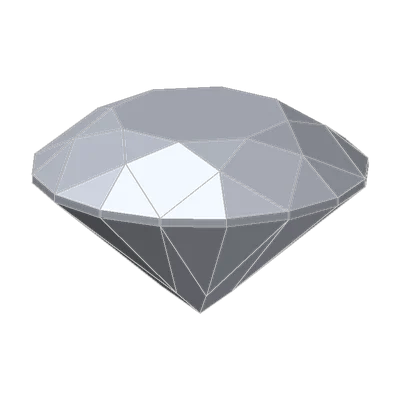
The history of the brilliant follows the diamond from the old single cut of the 1400s to a computer-designed round of 2026, one cut per page, in date order. Each page names the technology that made the cut possible: the polishing wheel, the bruting machine, the saw, mathematics, the reflector viewer and ray tracing. Our Cut Performance Wheel and 3D Gemstone Simulator then show what each step did to brilliance, fire and scintillation, on our models and on one scale.
New here? Start with Tolkowsky's 1919 ideal cut: the brilliant that was calculated.
-
1 · Video
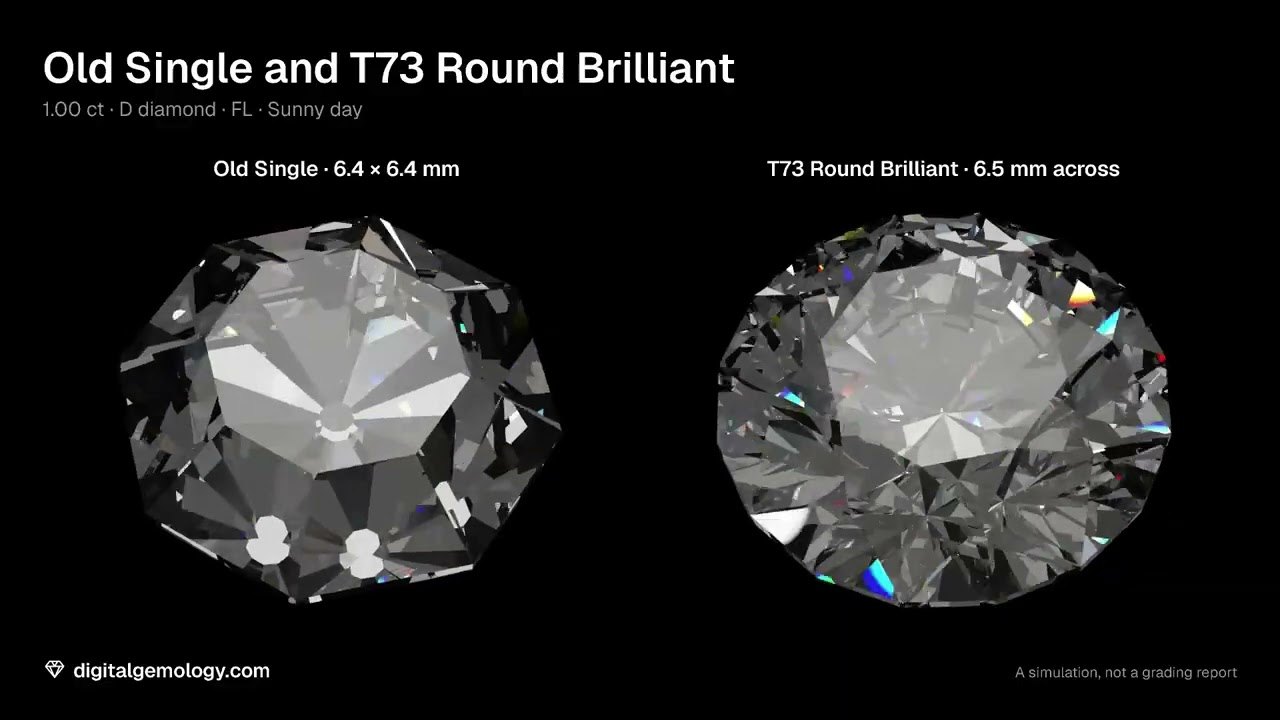
The old single cut: eight facets and a lot of fire
How the 1400s single cut shaped the diamond crystal, and why it has a lot of fire and little sparkle.
-
2 · Video
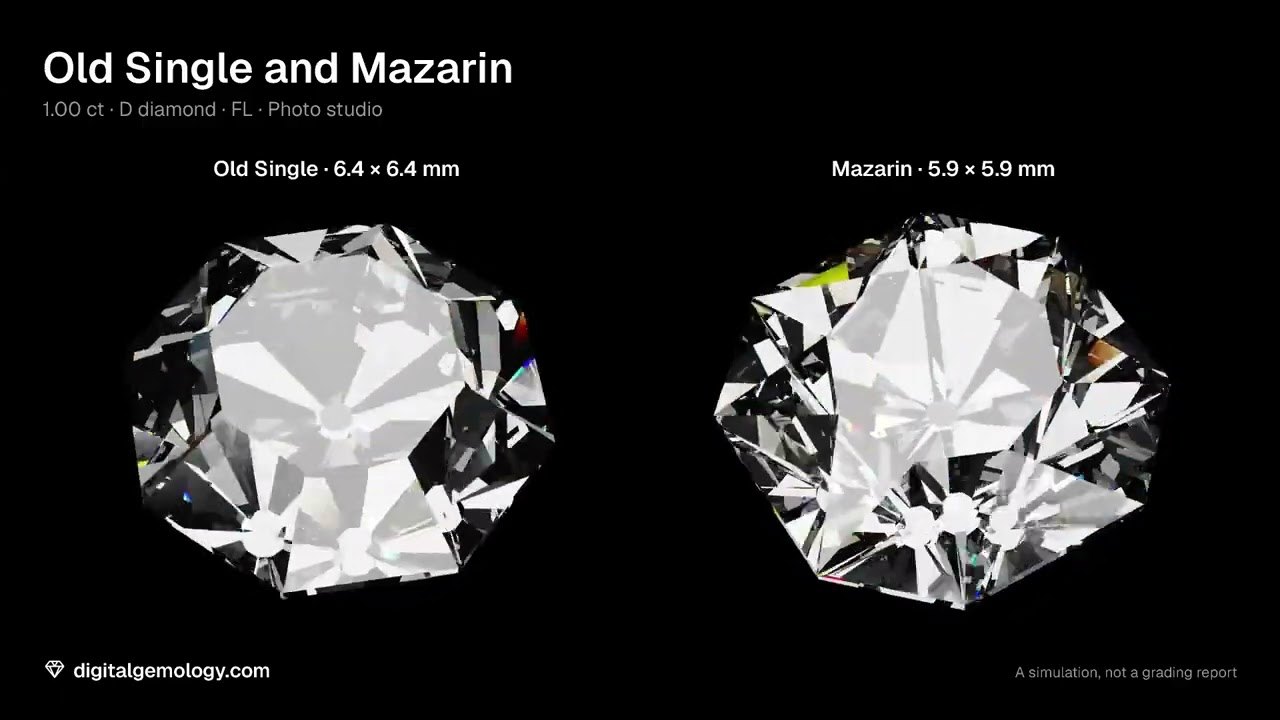
The Mazarin cut: the first brilliant
Why the rose cut had no fire, what the Mazarin double cut added, and why more facets did not mean more light.
-
3 · Article
The Peruzzi cut: today's crown arriving early
The late-1600s triple cut that gave us today's crown plan, and the two reasons it still looked dull.
-
4 · Video
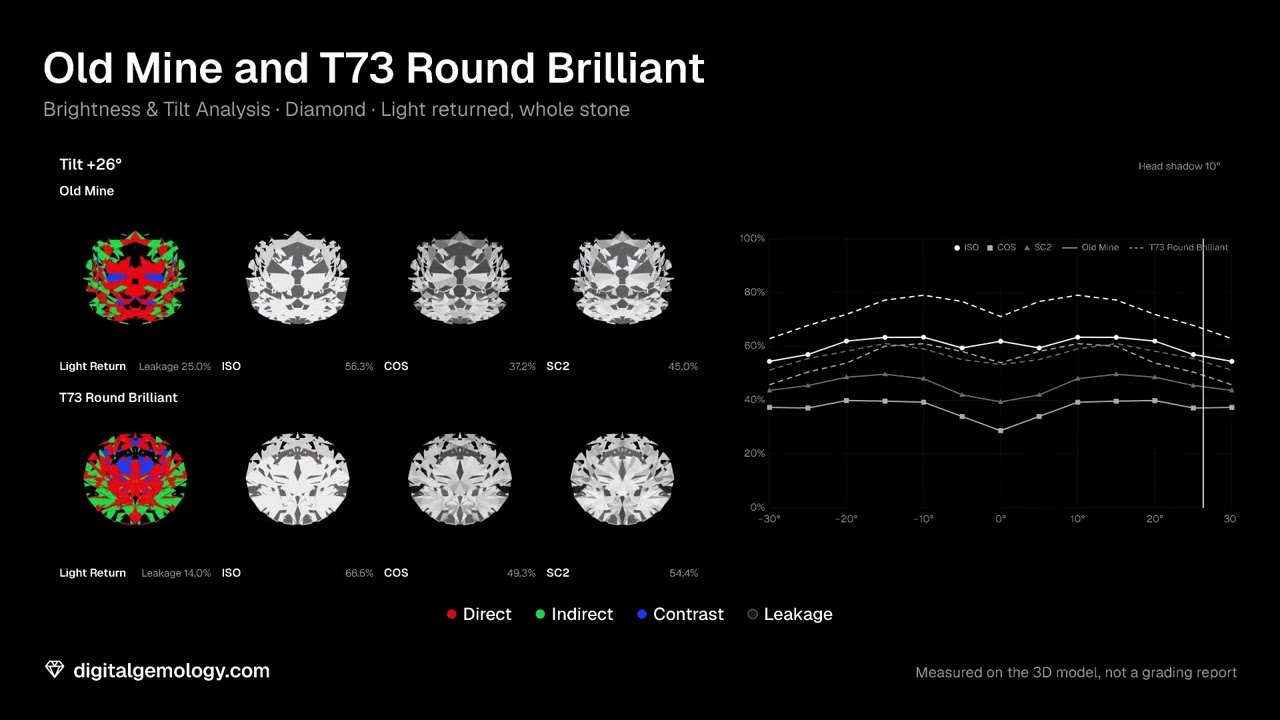
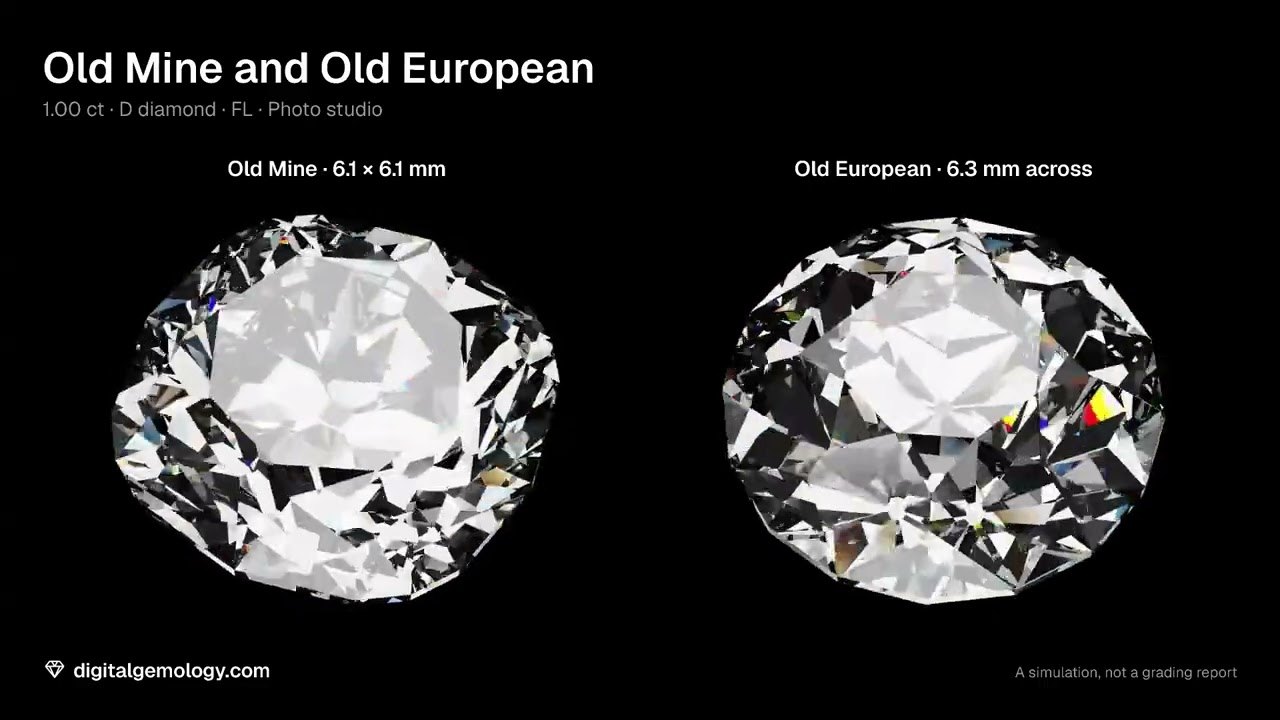
Old mine cut diamonds: tidier, not brighter
What changed from the Peruzzi to the old mine cut, and why a neater stone came out darker.
-
5 · Video
Old European cut diamonds: when the outline went round
How the bruting machine made the diamond round, and why the old European closed most of the gap to the modern round.
-
6 · Animated explainer
Tolkowsky's 1919 ideal cut: the brilliant that was calculated
How Tolkowsky calculated the round brilliant in 1919, what his model left out, and how it compares with the old European.
-
7 · Video
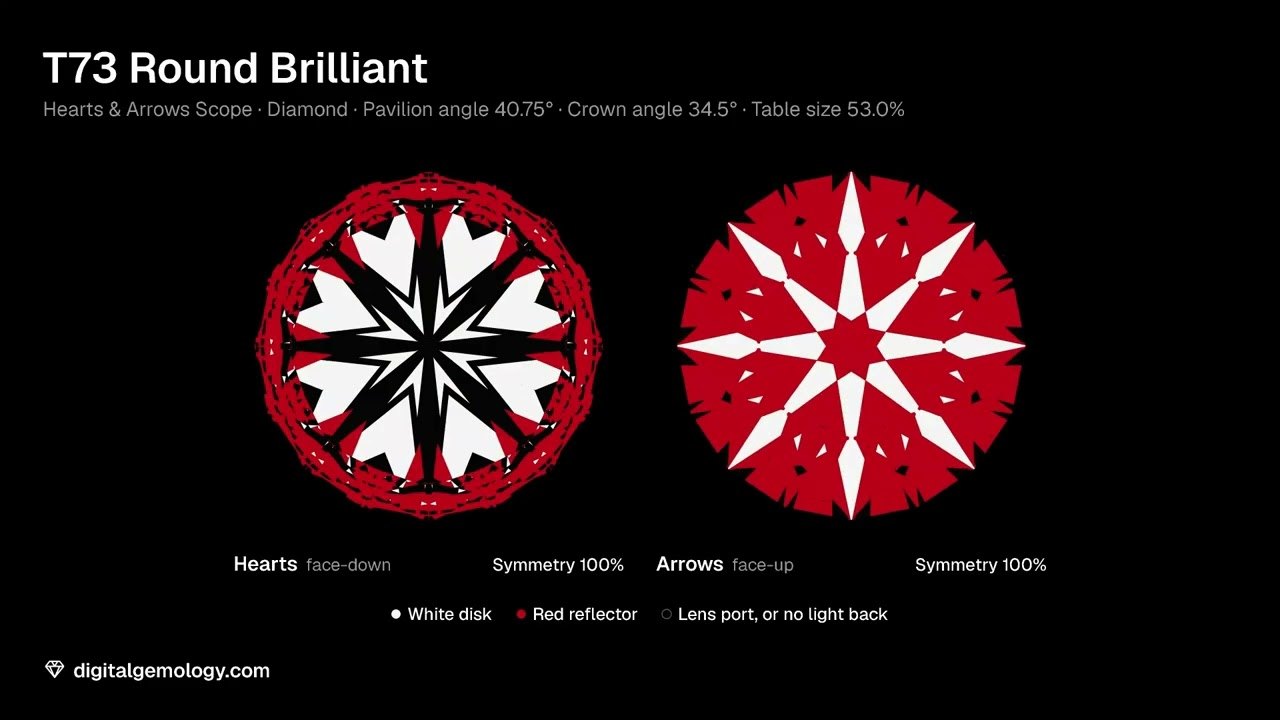
Hearts and arrows diamonds: precision you can see
Where the hearts and arrows pattern came from, how a viewer shows it, and what it does and doesn't prove about a cut.
-
8 · Video
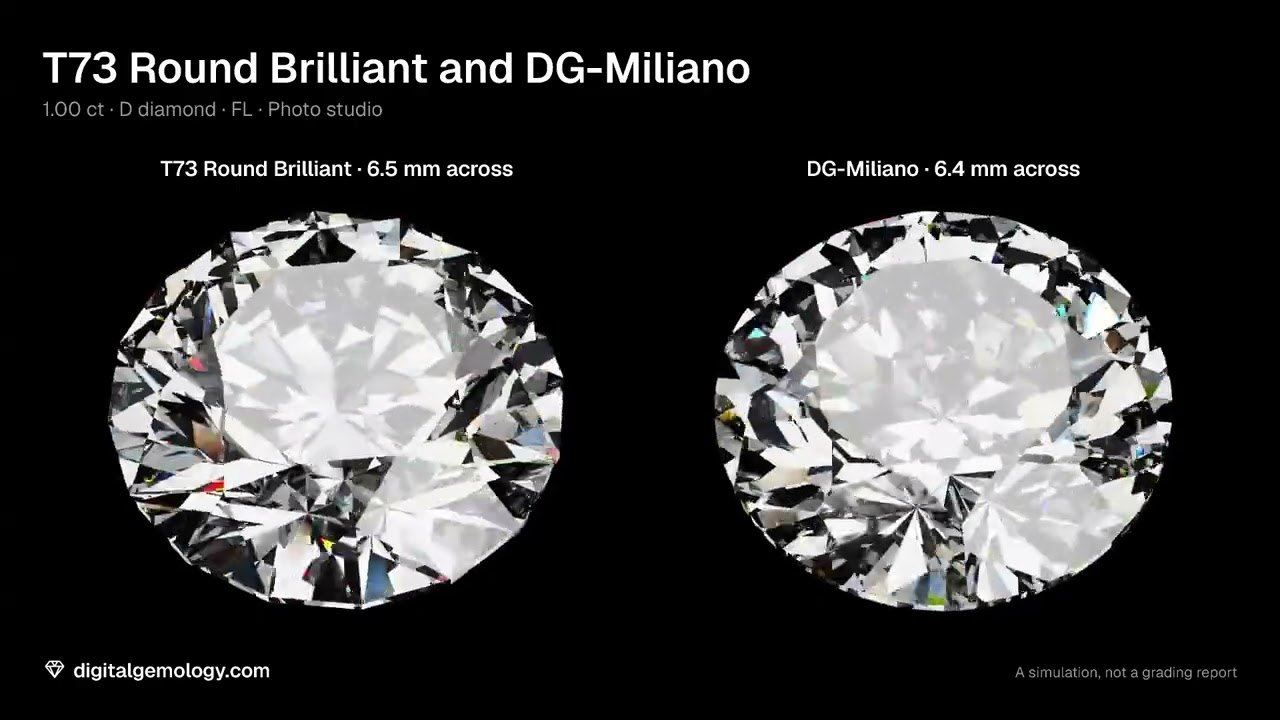
Past the 1919 ceiling: DG-Miliano and the modern brilliant
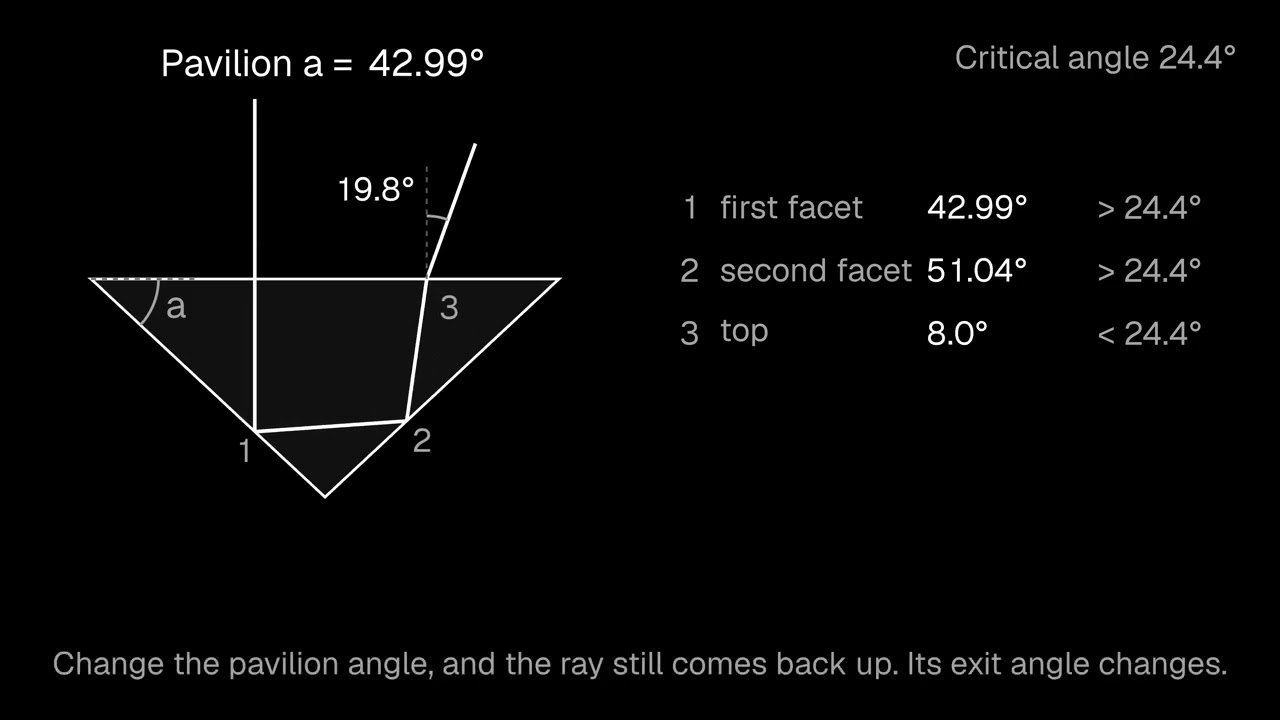
What 3D ray tracing adds to Tolkowsky's method, what DG-Miliano changes, and the history of the brilliant in one table.
Quick quiz
Every lesson ends with a few questions. Want more? The The history of the brilliant quiz covers the whole topic, with the answer and the reason after each question.
Cuts in this topic
We sell the files of these cuts: 3D models and cutting files, with a personal-use license.
-


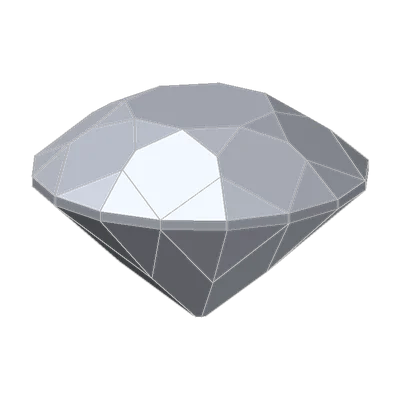

DG-Broken Hearts and Arrows Cut
3D files and cutting files, €9.99 each
View cut: DG-Broken Hearts and Arrows Cut